
Grated Beets: A Natural Boost for Immunity, Anemia, and Liver Detox
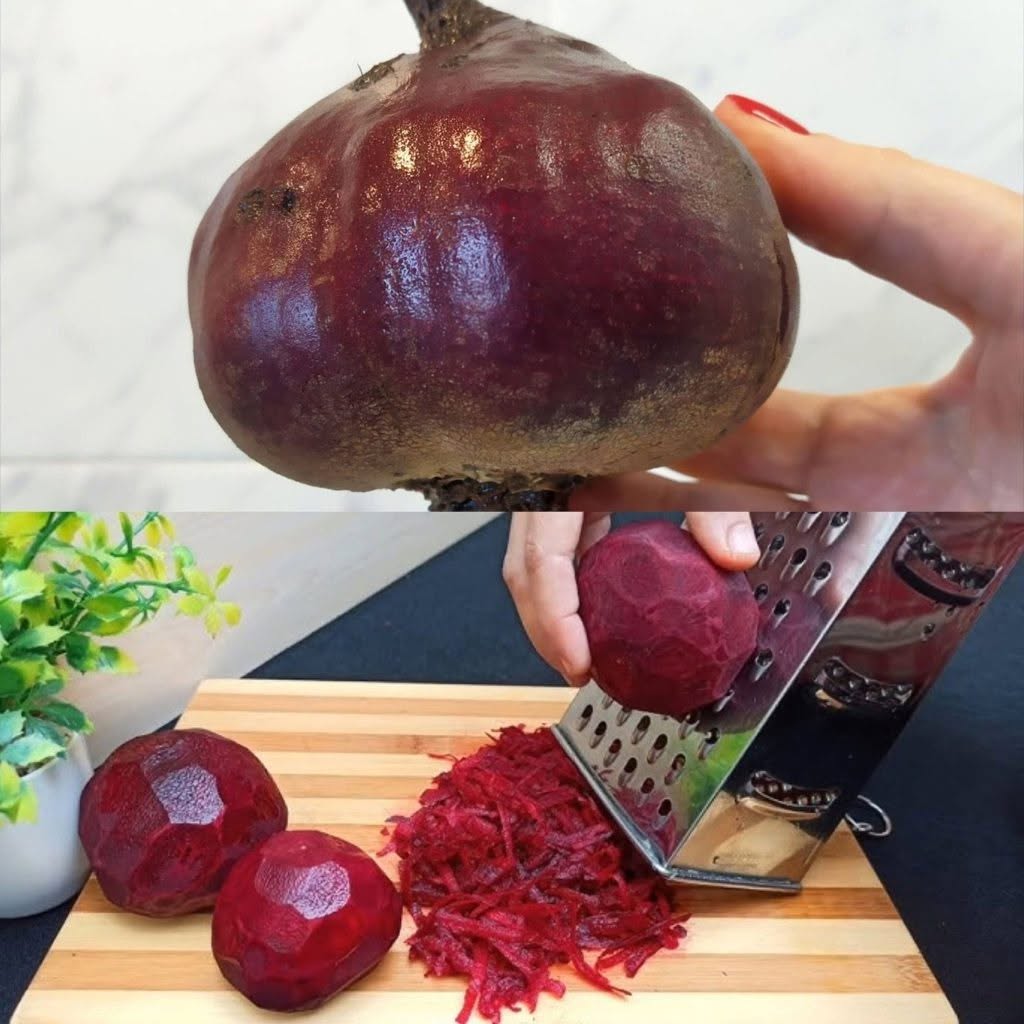
Beets, often celebrated as a superfood, are more than just a colorful addition to your meals; they are a powerhouse of nutrients that can enhance your health in numerous ways. When consumed raw and grated, the health benefits of beets are amplified, making them an excellent choice for anyone looking to boost their immunity, combat anemia, and support liver detoxification. This article delves into the incredible benefits of grated beets, offering practical tips on how to incorporate them into your diet.
The Nutritional Profile of Beets
Beets are enriched with a variety of essential vitamins and minerals that make them a crucial part of a balanced diet. Here are some key components:
Vitamins: Beets are particularly rich in vitamin C, which is vital for a robust immune system.
Folate: This B vitamin is essential for red blood cell formation, contributing to overall blood health.
Iron: A mineral critical for oxygen transport in the blood, helping to combat anemia.
Antioxidants: Beets are packed with antioxidants that protect the body from free radicals.
Fiber: Supports healthy digestion and can help maintain a healthy weight.
How Grated Beets Boost Immunity
One of the primary benefits of consuming grated beets is their ability to boost immunity. The high content of vitamin C and antioxidants plays a significant role in fighting off infections and diseases. Here’s how they work:
Role of Vitamin C in Immunity
Vitamin C is well-known for its role in enhancing the immune response. It promotes the production of white blood cells, which are essential for combating pathogens. Regular consumption of grated beets can contribute to higher vitamin C intake, thereby strengthening the immune system.
Keep reading — tap the button below to continue.
Antioxidants and Inflammation
The antioxidants found in beets help reduce inflammation and oxidative stress in the body. Chronic inflammation can weaken the immune system, making it less effective at fighting infections. By incorporating grated beets into your diet, you can reduce your risk of illness.
Combating Anemia with Grated Beets
Another remarkable benefit of beets is their effectiveness in combating anemia. The nutrients within these root vegetables can significantly improve hemoglobin levels and enhance energy levels.
Iron and Folate Content
Beets are an excellent source of both iron and folate. Iron is crucial for producing hemoglobin, which carries oxygen in the blood. Folate plays a vital role in the production and maturation of red blood cells. Together, they make grated beets a fantastic food for those suffering from or at risk of anemia.
Signs of Anemia
It is essential to recognize the signs of anemia, which include:
Fatigue and weakness
Pale skin
Shortness of breath
Dizziness or lightheadedness
If you experience any of these symptoms, consider adding grated beets to your daily intake as a natural remedy.
Detoxifying the Liver with Grated Beets
Grated beets are known for their ability to cleanse the liver. The compounds found in beets can significantly enhance liver function and detoxification processes.
What is Betaine?
Betaine, a compound found in beets, helps improve liver function by promoting the elimination of toxins and reducing the risk of fatty liver disease. By supporting liver health, you can enhance your body’s natural detoxification capabilities.
Keep reading — tap the button below to continue.
How to Maximize Liver Detoxification
For optimal liver detoxification, consider the following:
Combine grated beets with liver-supporting foods such as garlic and ginger.
Maintain proper hydration to aid the liver in flushing out toxins.
Consume a diet rich in antioxidants to support overall liver health.
Supporting Digestion with Grated Beets
In addition to their immune-boosting and detoxifying properties, grated beets are an excellent source of dietary fiber, which plays a crucial role in digestive health. Here’s how beets support digestion: